|
|
History of Osceola
By Glynda Thompson
Are you looking for a city with an interesting, varied, fascinating history? Then look no further than Osceola, Arkansas. Located on the mighty Mississippi River, right on Highway 61-a historical highway that follows the river into Louisiana, and just off Interstate 55, it incorporates everything that is interesting to history buffs, but also caters to the latest in agriculture and technology.
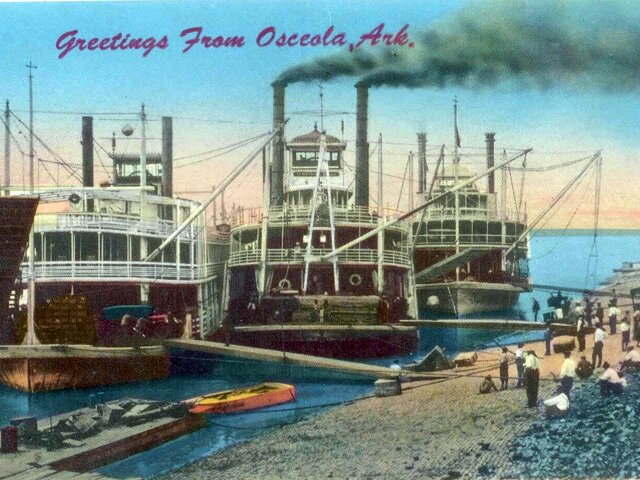
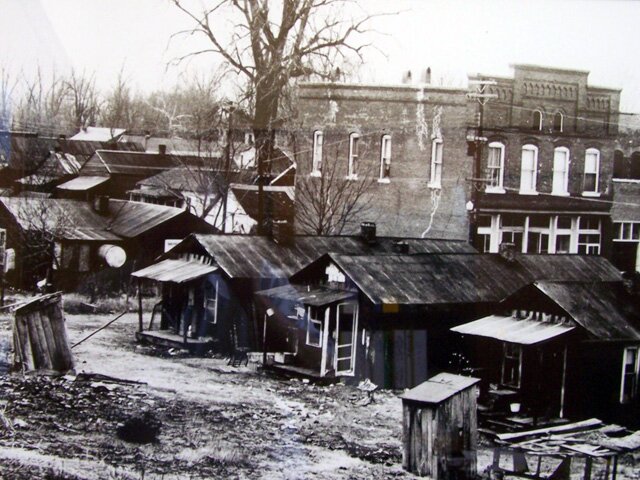
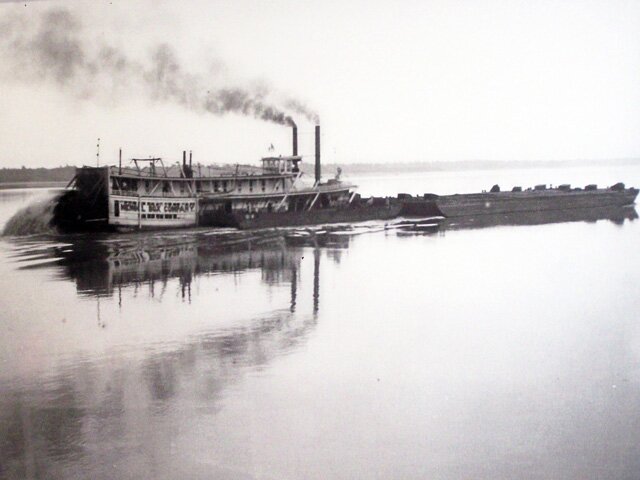
Originally swamps, trees, and Indian tribes, the area began to draw scouts, hunters and even outlaws. Traveling the Mississippi River in steamboats, farmers, loggers and settlers began to see the advantages of this area that became Osceola. The steamboat captains gave the town its original name of ‘Plumb Point’. According to Mark Twain in his Life on the Mississippi, when one steamboat would inquire of another where to find wood for the steamboats, they were told to “go plumb to the point”, where enterprising settlers had stacked wood to sell. This was the beginning of Osceola. Loggers soon found that the abundance of many different kinds of wood was their dream, and soon the area was covered with fallen trees. Farmers heading down river for land noticed the rich Delta soil, and stepped off the steamboats to start a new life farming in land that could grow almost any crop. They soon found that cotton would produce almost unbelievable crops, and the combination of soil and warm temperatures soon made cotton ‘king’. As cotton was raised, it was not unusual for 500 bales of cotton to be loaded on steamboats to be sold for local farmers. Some of the earliest scouts were Carson and Kellems, and some of the earliest settlers included the Edrington, Driver and Hale families, among others.
While part of Arkansas Territory, a “county” government was formed in 1833, and the first courthouse was in a local home. Osceola was incorporated in 1853 and then again in 1875 when Mississippi County was formed from a portion of Crittenden County. At that time there were about 250 families in Osceola. There have been 3 courthouses in Osceola—the one in the Reeves home, one in ‘old town’ and the beautiful one that still stands proudly displaying its copper dome on the square in downtown Osceola. It was built in 1912 and is on the National Registers of Historic Places. Travel the great River Road and/or the Cotton Heritage Highway (state highway 61), and when you get to this courthouse be sure and stop and visit the monuments on the square that honor our military and a few of the people who have contributed so much to Osceola.
Osceola has contributed greatly to the military history of the area. Read about the Battle of Plum Run Bend, one of the largest battles of the Civil War fought on a river, for example. Visit the museum and see the photos or WWI, WWII and later military photos and read about this history. Find out about the German POW camps in the area.
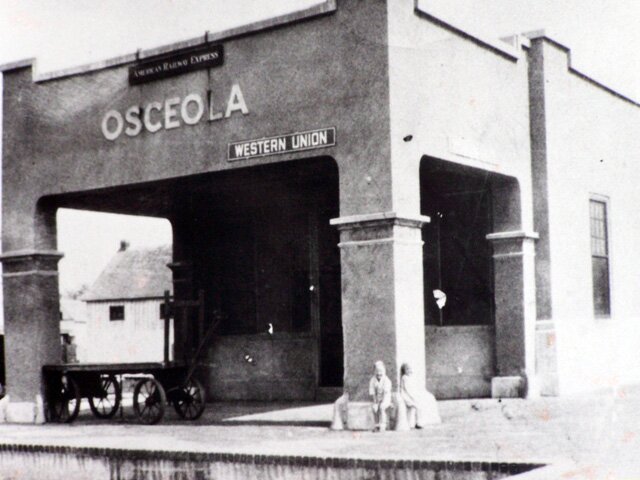
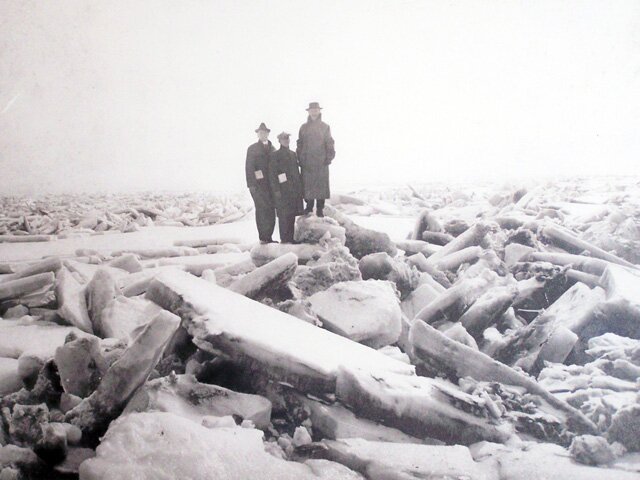
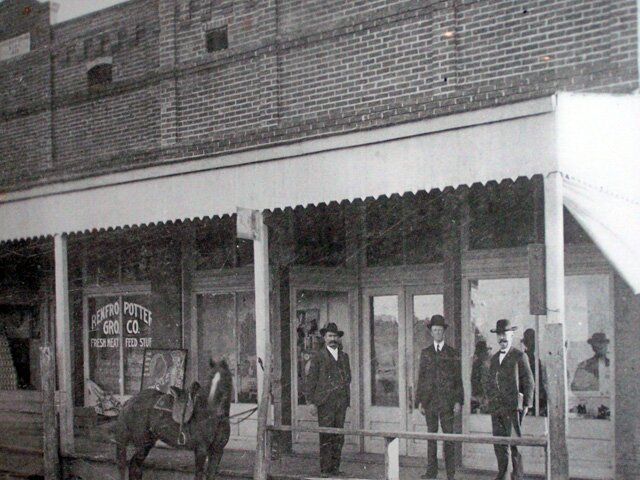
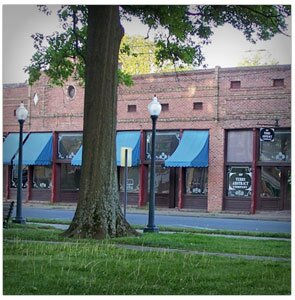
While on the square, visit Mississippi County Historical and Genealogical Society, the county museum housed in a 1902 and 1904 mercantile building. Step through the door and step back into history, as the fixtures are original and the history of the county is preserved, taught and enjoyed. Find out when the Mississippi River froze, the story of the first cars in Osceola, why the railroad was started, even when lighting came to Osceola, or how the drainage was done to make the farming even better. Take a walking or driving tour of Osceola –there are brochures available at the museum-and learn about the rich history of the area, including music, art, military and politics.
|
|
The “Osceola Times”, a weekly newspaper still published today is actually older than the last incorporation of Osceola. It was started in 1870, and the first building in ‘new town’, built around 1899 was for the newspaper, with the editor living in the apartment above the office. This building still houses the newspaper.
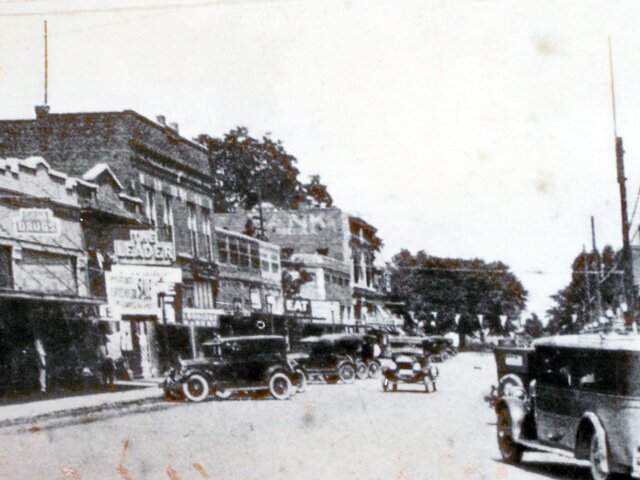
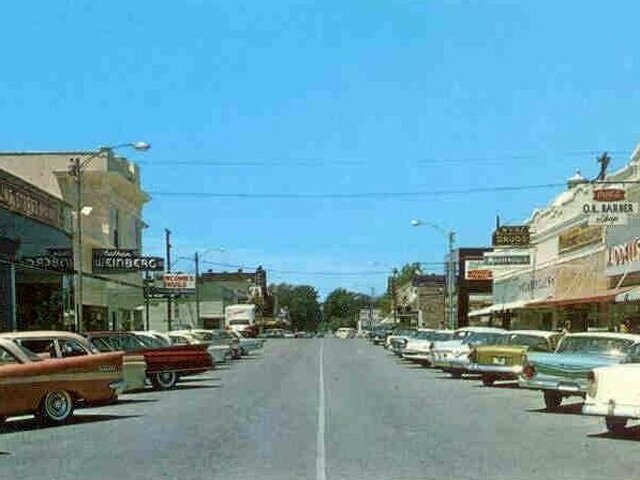
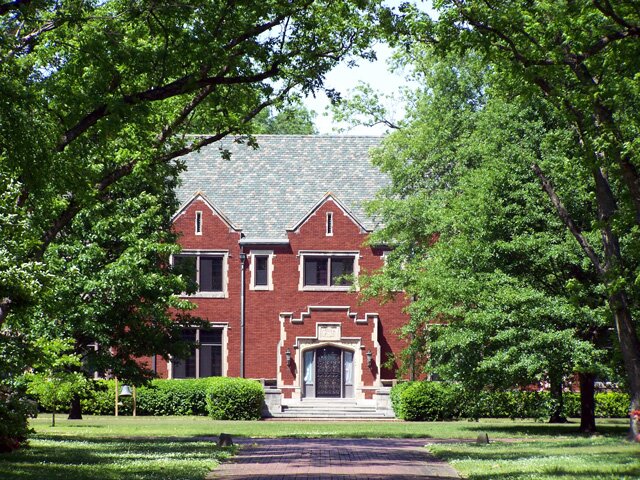
Churches over 100 years old and new churches recently built dot the landscape. Osceola not only has many beautiful homes, from Victorian to modern, but even boats its own ‘mansion.’ Gene Cox, owner of the Cox-Florida Mansion, has restored the home built on Semmes Street in the late 1940’s, and based on the mansions and manors of England to its original beauty. Businesses housed in buildings built in the early 1900’s, and businesses in new buildings work together to improve Osceola. Plants, such as Osceola Products and Osceola Foods (now Kagome Creative Foods) have been here for 60-70 years. American Greetings, started in the late 1950’s, boasted of being the ‘largest one floored building in the United States’ when it was built, and it is still an active plant today. New plants, such as Denso and Systex have built in Osceola, and the Plum Point Power Plant is scheduled to begin production in 2010. History, agriculture, and technology sit comfortably side by side.
Highway 61 is also considered the ‘blues highway’, and Osceola has seen some of the best singers and songwriters in the world get their start here in Osceola—men such as Son Seals and Billy Riley. Kemmons Wilson, of Holiday Inn fame was born in Osceola. Dale Evans, wife of Roy Rogers was raised in Osceola. And the list goes on to cover many other fields of endeavor, political, art, authors just to name a few. Sports have been a big part of the Osceola history. As far back as 1933, a local team played against the St. Louis Cardinals in baseball, and only lost by one point! Football has produced some pros from the area, who even come back each year to encourage the youth of the area.
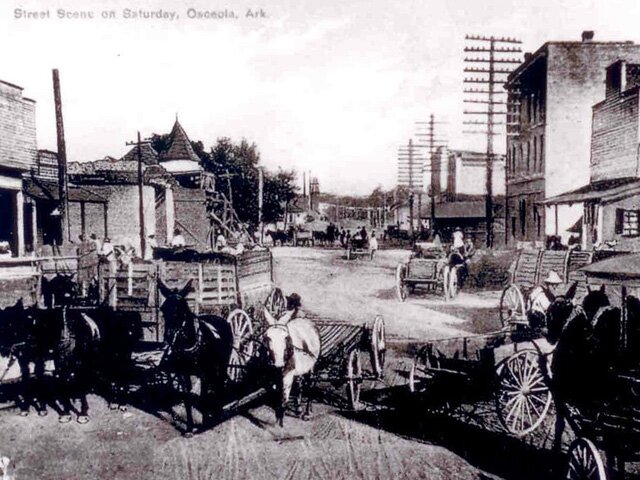
Agriculture has gone from chopping and picking cotton by hand to a wide variety of crops with GPS operated equipment, but children are still taught what it was like when everything was done by hand.
 Women have always been encouraged to be part of the growth of Osceola. In the 1930’s, there was an all-woman school board-something unheard of for that time. Even earlier, there was a woman editor of the Osceola Times. Mrs. Adah Roussan, who had been made an honorary member of the AR Press Association in 1879, became editor of the paper in 1906 after the death of her husband, and held the post until 1918. The editor of the paper now is also a woman. Women have always been encouraged to be part of the growth of Osceola. In the 1930’s, there was an all-woman school board-something unheard of for that time. Even earlier, there was a woman editor of the Osceola Times. Mrs. Adah Roussan, who had been made an honorary member of the AR Press Association in 1879, became editor of the paper in 1906 after the death of her husband, and held the post until 1918. The editor of the paper now is also a woman.
One of the most beautiful of the historical buildings in downtown Osceola is now the City Hall. Originally the Mississippi County Bank and a Real Estate office, the inside of this building is widely known for its beautiful wood and marble interior. And on the walls are many photos honoring the history of Osceola, including all the mayors. Now mayor Dickie Kennemore continues the tradition of working for the future, while promoting tourism to honor the wonderful past that Osceola presents.
The Mississippi County Historical & Genealogical Society, formed in 1993 works tirelessly to present the history of Osceola and Mississippi County at the museum, 209 W. Hale, Osceola. Open 9am-4:30pm, Monday through Friday and by request on nights or weekends, tours are free, with donations welcome. Phone 870-563-6161.
Come and take a walk through history.
|
|
|